Best HRMS Software for Educational Institutions : What Actually Works in 2026?
Introduction : The HR Crisis Most Institutions Ignore
Educational institutions are evolving rapidly—digital classrooms, hybrid learning, global campuses. But behind the scenes, HR operations in many universities and colleges are still stuck in spreadsheets, disconnected tools, or outdated systems.
This gap creates serious problems:
Payroll errors
Compliance risks
Poor faculty experience
Lack of real-time data
That’s why institutions worldwide are actively searching for the best HRMS software for educational institutions—not just to automate HR, but to transform how their workforce operates.
Why HR in Education is More Complex Than Corporate HR?
HR in education isn’t standard—it’s layered, dynamic, and highly specialized.
Unlike traditional companies, institutions must manage:
Full-time faculty, visiting professors, and contract staff
Academic calendars and semester-based workflows
Multi-campus workforce structures
Compliance with regional labor and education laws
Generic HR tools fail here because they aren’t built for these complexities.
In fact, modern HRMS platforms for education are designed to handle diverse roles, automate payroll, and manage compliance across campuses in one system.
What Defines the “Best” HRMS Software in 2026?
Not all HRMS platforms are equal. The best systems go beyond automation—they enable strategic decision-making.
1. Centralized Workforce Management
A robust HRMS should provide:
Unified employee database
Role-based access
Faculty and staff lifecycle tracking
2. Smart Attendance & Leave Management
Modern institutions need:
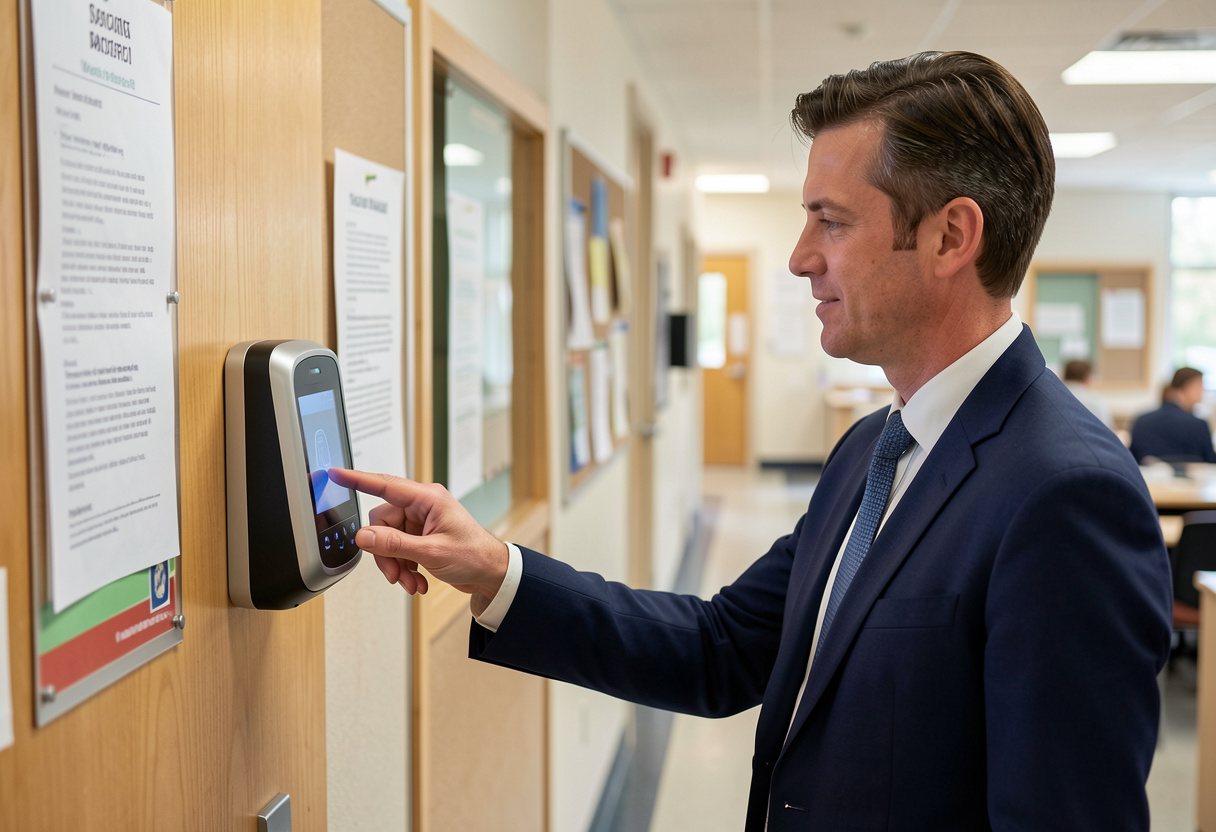
Biometric or mobile-based attendance
Shift and lecture-based tracking
Automated leave approvals
Advanced systems sync attendance directly with payroll—reducing manual errors significantly.
3. Automated Payroll with Compliance
Payroll in education is complex:
Different salary structures
Statutory deductions (PF, ESI, TDS)
Multi-location compliance
The best HRMS automates all of this, ensuring accuracy and legal compliance.
4. Multi-Campus & Global Scalability
Institutions expanding globally need:
Multi-currency payroll
Country-specific compliance
Centralized dashboards
Leading HRMS platforms already support global workforce management across regions.
5. Employee Self-Service Portals
Faculty and staff should be able to:
Access payslips
Apply for leave
Update personal data
This reduces HR workload and improves employee experience.
6. Real-Time Analytics & Reporting
Data-driven institutions perform better.
Top HRMS solutions provide:
Workforce analytics
Performance dashboards
Predictive insights
The Hidden Cost of Not Using an HRMS
Many institutions delay HRMS adoption—but the cost is massive.
❌ Operational Inefficiency
Manual processes slow down HR teams.
❌ Payroll Errors
Disconnected systems cause salary mismatches.
❌ Compliance Risks
Late or incorrect filings can lead to penalties.
❌ Poor Employee Experience
Faculty frustration leads to higher attrition.
Studies and industry data show HR automation can reduce payroll effort by up to 70% and significantly improve efficiency.
2026 Trend : Cloud-Based HRMS is Dominating
Cloud technology is no longer optional—it’s the standard.
Why institutions are switching:
Access from anywhere
High-level data security
Faster deployment
Real-time updates
Cloud HRMS platforms also support mobile access, enabling HR teams and staff to manage operations on the go.
What Actually Works in 2026 (Real Insights)
After analyzing global HRMS adoption trends, here’s what truly works:
Integrated Systems (Not Standalone Tools)
Institutions are replacing multiple tools with one unified platform.
Automation Over Manual Processes
Automation reduces workload and improves accuracy.
Mobile-First HR
Staff expect mobile access to HR services.
Data-Driven Decision Making
Leadership relies on analytics, not guesswork.
Where Most HRMS Solutions Still Fail?
Even today, many HRMS platforms fall short:
❌ Not built for education workflows
❌ Poor integration with LMS/SIS
❌ Limited scalability
❌ Weak reporting capabilities
This is why choosing the right solution is critical.
How vmedulife HRMS Solves These Challenges?
vmedulife is designed specifically for educational ecosystems—not generic HR environments.
Built for Education, Not Adapted
Unlike traditional HRMS tools, vmedulife understands:
Academic structures
Faculty workload models
Institutional reporting needs
End-to-End HR Automation
With vmedulife, institutions can:
Manage employee lifecycle
Automate attendance and payroll
Ensure compliance
Generate real-time reports
Seamless Integration
vmedulife connects HR with:
Student Information Systems
Learning Management Systems
Finance modules
This creates a fully integrated digital campus.
Global-Ready Architecture
Whether you’re a single campus or multi-country university, vmedulife scales with you.
Real Impact : What Institutions Gain?
After implementing a modern HRMS like vmedulife:
- Reduced Administrative Work
Automation cuts manual effort significantly. - Better Decision Making
Real-time data improves strategic planning. - Improved Employee Satisfaction
Self-service and transparency boost engagement. - Cost Savings
Reduced errors and inefficiencies lower operational costs.
Use Case : A Growing University
Before HRMS :
Manual attendance tracking
Payroll delays
No centralized data
After vmedulife HRMS :
Automated processes
Instant payroll
Real-time dashboards
👉 Result : Faster operations, better accuracy, and improved staff experience.
How to Choose the Right HRMS?
Before selecting a solution, ask:
Is it built for educational institutions?
Does it support payroll + attendance integration?
Can it scale globally?
Does it offer real-time analytics?
Can it integrate with existing systems?
Still managing HR with spreadsheets or disconnected tools?
That’s not just inefficient—it’s risky.
Book a FREE demo with vmedulife HRMS today
✔ See real-time automation
✔ Experience seamless integration
✔ Discover how top institutions are scaling faster
Conclusion : The Future Belongs to Smart Institutions
In 2026, the difference between average and high-performing institutions is technology.
The best HRMS software for educational institutions is not just about managing HR—it’s about enabling growth, efficiency, and global scalability.
Institutions that adopt modern HRMS solutions like Vmedulife:
Operate faster
Scale smarter
Compete globally
Final Thought
If your institution is still relying on outdated HR processes, you’re already behind.
The question is not “Do you need an HRMS?”
👉 It’s “How much longer can you afford to wait?”